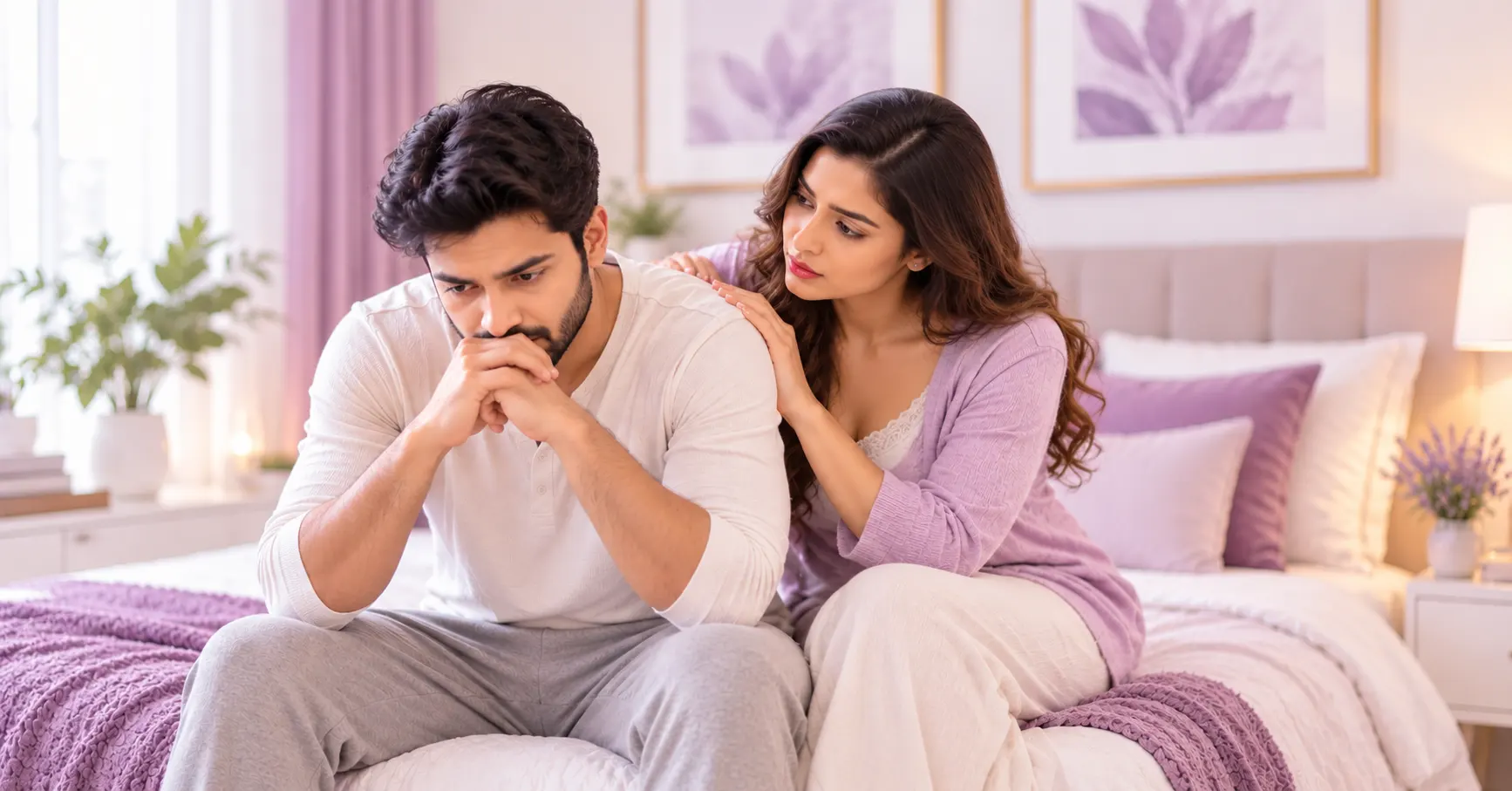
Sexual Performance Anxiety Counseling & Support

Sexual Performance Anxiety

Sexual Performance Anxiety is the fear, stress, or self-doubt experienced before or during sexual intimacy. It can affect arousal, confidence, communication, and overall sexual satisfaction. Often linked to expectations, past experiences, body-image concerns, or relationship pressure, it is common and manageable with understanding, open communication, and appropriate professional support.

  • Safe & Confidential
  • Compassionate Guidance
  • For Individuals & Couples
Book a Confidential Consultation

Understanding Sexual Performance Anxiety

What is sexual performance anxiety?

Sexual performance anxiety is a common concern that can affect a person’s confidence, sexual satisfaction, and intimate relationships. It happens when someone feels excessive worry, fear, or pressure about their sexual performance. A person may worry about satisfying their partner, maintaining an erection, lasting long enough, or meeting sexual expectations. These thoughts can create stress and make it difficult to relax and enjoy intimacy.

Signs and Symptoms of Sexual Performance Anxiety

  • Constantly worrying about sexual performance.
  • Difficulty getting or maintaining an erection.
  • Difficulty becoming sexually aroused due to anxiety.
  • Fear of ejaculating too quickly.
  • Overthinking during sexual intimacy.
  • Feeling nervous, embarrassed, or frustrated during sex.
  • Avoiding sexual intimacy due to fear of failure.

Common Causes of Sexual Performance Anxiety

  • Fear of sexual performance failure.
  • Previous disappointing sexual experiences.
  • Worry about premature ejaculation or erectile dysfunction.
  • Low sexual confidence or body-image concerns.
  • Relationship conflicts or fear of partner judgment.
  • Stress, anxiety, and unrealistic sexual expectations.
  • Negative thoughts influenced by pornography or social pressure.

Types of Sexual Performance Anxiety

Erection Anxiety

Fear of not getting or maintaining an erection.

Ejaculation Anxiety

Worry about ejaculating too quickly or too slowly.

Orgasm Anxiety

Pressure or fear of not reaching orgasm.

Body Image Anxiety

Feeling insecure about physical appearance during intimacy.

Partner-Approval Anxiety

Fear of disappointing or being judged by a Partner.

First-Time Sexual Anxiety

Nervousness during first-time intimacy or with a new Partner.

What are the causes of Psychological Sexual Performance Anxiety

  • Excessive overthinking and self-monitoring during intimacy
  • Unrealistic expectations about sexual performance
  • Relationship conflicts or poor communication
  • Fear of rejection, judgment, or comparison
  • Stress, emotional distress, or major life changes
  • Past sexual trauma or negative sexual experiences
  • Pressure created by pornography or unrealistic sexual beliefs

How Sexual Performance Anxiety Affects Relationships and Well-Being

Reduced intimacy: Fear and pressure can make sexual experiences feel stressful rather than enjoyable.
Communication difficulties: Anxiety may make it harder to openly discuss sexual concerns with a partner.
Relationship strain:Repeated sexual difficulties can lead to frustration, misunderstandings, or emotional distance.
Lower self-esteem:Ongoing worries about sexual performance can affect confidence and self-image.
Increased stress and anxiety: Anticipating sexual activity may trigger excessive worry, tension, or avoidance.
Avoidance of intimacy: A person may start avoiding sex or physical closeness to prevent embarrassment or disappointment.

When Should You Seek Help for Sexual Performance Anxiety?

Happens frequently or affects your sexual relationship.
Causes significant stress or emotional distress.
Leads you to avoid intimacy.
Is associated with persistent erection or ejaculation difficulties.
Affects your self-confidence or overall well-being.

How Is Sexual Performance Anxiety Assessed?

Detailed history: Understanding sexual concerns, when they started, and how often they occur.
Anxiety assessment:Exploring fear, negative thoughts, stress, and performance pressure.
Sexual health assessment:Looking at erection, ejaculation, orgasm, desire, and other sexual concerns.
Relationship assessment: Understanding communication, intimacy, expectations, and relationship dynamics.
Medical screening: Checking for medications, hormonal issues, or other health conditions that may contribute to sexual difficulties.
Psychological factors:Assessing self-esteem, body image, previous sexual experiences, and relationship or emotional stress.

Psychological Sexual Performance Anxiety – Treatment Approach

Counselling for sexual performance anxiety focuses on reducing fear of failure, improving sexual confidence, and creating a more comfortable approach to intimacy.

Initial assessment

Explore anxiety triggers, sexual concerns, relationship dynamics, past experiences, and expectations.

Psychoeducation

Explain how stress and anxiety can affect arousal, erection, ejaculation, and overall sexual response.

Cognitive restructuring

Identify and challenge performance-related thoughts such as “I must perform perfectly” or “I will disappoint my partner.”

Relaxation techniques

Use breathing, mindfulness, and grounding exercises to reduce anxiety and physical tension.

Gradual exposure

Introduce pressure-free intimacy exercises to reduce fear and rebuild confidence step by step.

Sensate-focus techniques

Shift attention from performance and intercourse toward touch, connection, pleasure, and intimacy.

Couples counselling

Improve communication, emotional safety, mutual understanding, and realistic sexual expectations.

Follow-up and progress monitoring

Track anxiety levels, confidence, intimacy, and sexual functioning while adjusting the counselling plan as needed.

What happens During Sexual Performance Anxiety Counselling sessions?

  • Identifying anxiety patterns: Negative thoughts, fear of failure, overthinking, and pressure around sexual performance are explored.
  • Psychoeducation: You learn how anxiety can affect arousal, erection, ejaculation, and sexual satisfaction.
  • Coping strategies: Breathing, relaxation, mindfulness, and grounding techniques may be introduced.
  • Changing unhelpful thoughts: Counselling helps replace unrealistic performance expectations with healthier and more realistic perspectives.
  • Intimacy-focused exercises: When appropriate, gradual exercises may help reduce performance pressure and improve comfort with intimacy.
  • Communication support: Couples may learn how to discuss sexual needs, expectations, and concerns more openly.
  • Progress review: Sessions focus on building confidence, reducing anxiety, and improving overall sexual and relationship well-being.

Benefits of Psychological Treatment for Sexual Performance Anxiety

  • Reduces sexual performance anxiety and fear of failure
  • Builds sexual confidence and self-esteem
  • Helps manage overthinking and negative performance-related thoughts
  • Improves sexual communication and intimacy
  • Reduces pressure and unrealistic expectations around sex
  • Supports healthier emotional and relationship well-being
  • Helps develop effective stress-management and relaxation skills
  • Can improve overall sexual satisfaction and confidence

“Intimacy isn’t about performing perfectly; it’s about feeling safe, connected, and present with your partner.”


CONFIDENTIAL SUPPORT

Let go of the pressure to perform—focus on connection, comfort, and being present in the moment

Take the first step towards healthier confidence, communication and intimacy.

Book an Appointment
CLIENT EXPERIENCES

Words From People Who Found Support

★★★★★

"I initially approached Neelam for relationship-related concerns, but the journey unfolded into something far deeper and more transformative than I had imagined. Through her unique approach, she helped me gently uncover and heal many childhood traumas, limiting beliefs, and deeply rooted emotional patterns that were affecting my everyday life."

Punam Uberoi

Counseling Client
★★★★★

"I am writing to express my deepest gratitude and admiration for the incredible guidance and wisdom you bring to the table as a relationship expert. Your insights have an extraordinary way of cutting through complexity and bringing immediate clarity, warmth, and resolution to sensitive dynamics."

Priti Kulshrestha

Counseling Client
★★★★★

Today’s session on youth, marriage, and maintaining healthy relationships was truly insightful and meaningful. The guidance shared on how to build understanding, love, and avoid conflicts after marriage was very valuable for today’s generation. It was a wonderful and inspiring session. Thank you for such great guidance. 🙏

Akshaya Kulsrestha

Counseling Client
★★★★★

She is amazing! She explains very beautifully! Thank you so much Neelam. These 5 sessions have been life changing for me. The kind of flexibility & warmth you show to bring the maximum results for your clients is awesome. I could feel the shift and transformation in me after every single session with you. You are magician and master in your field, no doubt.

Romil Chauhan

Counseling Client
LET'S CONNECT

Take the First Step Towards a Healthier Connection.

DM me for 1:1 counseling or collaboration opportunities.

📌 If you’re looking for guidance, let’s connect. Your journey to a healthier relationship and family life starts with one conversation.

Book an Appointment
FREQUENTLY ASKED QUESTIONS

Common Questions About
Sexual Performance Anxiety

Yes. Sexual performance anxiety is a common experience. Occasional nervousness is normal, but persistent anxiety that affects intimacy may benefit from professional support.

Yes. Anxiety and stress can contribute to difficulty getting or maintaining an erection. However, erectile dysfunction can also have medical causes, so persistent symptoms should be assessed.

Performance anxiety may contribute to ejaculation difficulties, including ejaculating sooner than desired. Premature ejaculation can have multiple psychological and physical contributing factors.

The duration varies depending on the underlying causes, stress levels, relationship factors, and treatment. With appropriate support, many people can improve their confidence and sexual well-being.

Yes. Counselling, sex therapy, CBT, relationship support, and medical evaluation when needed can help manage sexual performance anxiety.

© Copyright 2026 | Neelam Ajit . All Rights Reserved

Privacy Policy
Neelam Ajit Available on WhatsApp

Let's Talk

Have questions about relationships, intimacy, or your personal concerns? Connect with Neelam Ajit for a private and supportive conversation.

Chat on WhatsApp